
Loading...
Loading...

Taste
The Origins
Taste
The Origins
Administrator
27 Feb 2025
Since our founding in 2013, we have maintained a strict zero-deforestation approach. Our coffee farms operate outside government-protected conservation zones and High Conservation Value (HCV) areas, on already established agricultural land. From the start, we have been committed to increasing biodiversity by working with farmers to plant a wider variety of trees and crops, while protecting the wildlife that shares these landscapes.
Great coffee depends on healthy land. That means protecting the ecosystems that make it possible, the soil, water, plants, and animals that work together as one living system. This is why we reject practices such as forest clearing, which run against our values and contribute to biodiversity loss, soil degradation, and carbon emissions.
Chemical-Free Farming
Protecting biodiversity begins with how we farm. No synthetic pesticides, herbicides, or fertilisers are used in the production of our coffee. Instead, we work in rhythm with nature, returning organic matter to the soil and keeping waste to a minimum. This helps protect both the ecosystem within the farms and the people who work the land.
Wildlife Protection
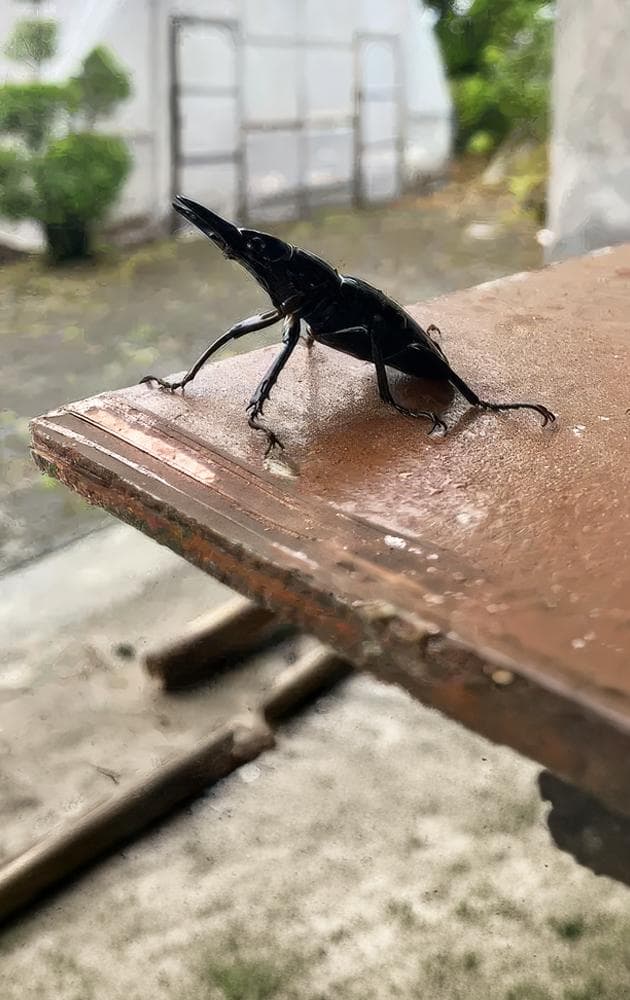
Our farms follow a strict no-hunting policy, helping create a safe and stable environment for wildlife. As a result, diverse birdlife, healthy insect activity, and native mammals continue to move freely through the landscape. Across our farms, we have documented 30 wildlife species, including the critically endangered Sunda Pangolin (Manis javanica). Wild native honey bees are also found throughout our farms, playing an essential role as pollinators within our agroforestry system and supporting the wider ecosystem. Their presence helps improve both the quality and quantity of harvests across our coffee and other flowering crops.
Monitoring and Restoration
We partner with Bumiterra, an environmental organisation, to monitor ecosystem health and implement restoration programmes where needed. Through this partnership, we have achieved:
Why This Matters
Biodiversity is not separate from coffee quality, it is fundamental to it. Healthy ecosystems provide natural pest control, improve soil fertility, and create resilience against climate stress. The same volcanic soils that give Balinese coffee its distinctive character rely on healthy surrounding ecosystems to maintain their richness over time.
We work with approximately 100 smallholder farms in Manikliyu Village, Kintamani. Farmers such as Wayan Nengah, who has worked with us since the beginning, show what is possible when quality and environmental care go hand in hand. Through hands-on training, selective harvesting, processing techniques, and a deeper understanding of the land, we help farmers see that protecting biodiversity is not only good for the environment, it also improves yield, quality, and long-term farm resilience.
Our Kintamani coffee consistently scores 83–85 points, meeting international specialty coffee standards. For us, this reinforces something simple: environmental stewardship and coffee quality cannot be separated. The farmers we work with understand that cutting corners on biodiversity also means cutting corners on quality.
Our goal is not only to avoid harm, but to leave the land better than we found it. Every hectare restored, every tree planted, and every species documented is more than a sustainability metric. It is an investment in the future of Indonesian specialty coffee.