
Loading...
Loading...
.png)
Taste
The Origins
Taste
The Origins
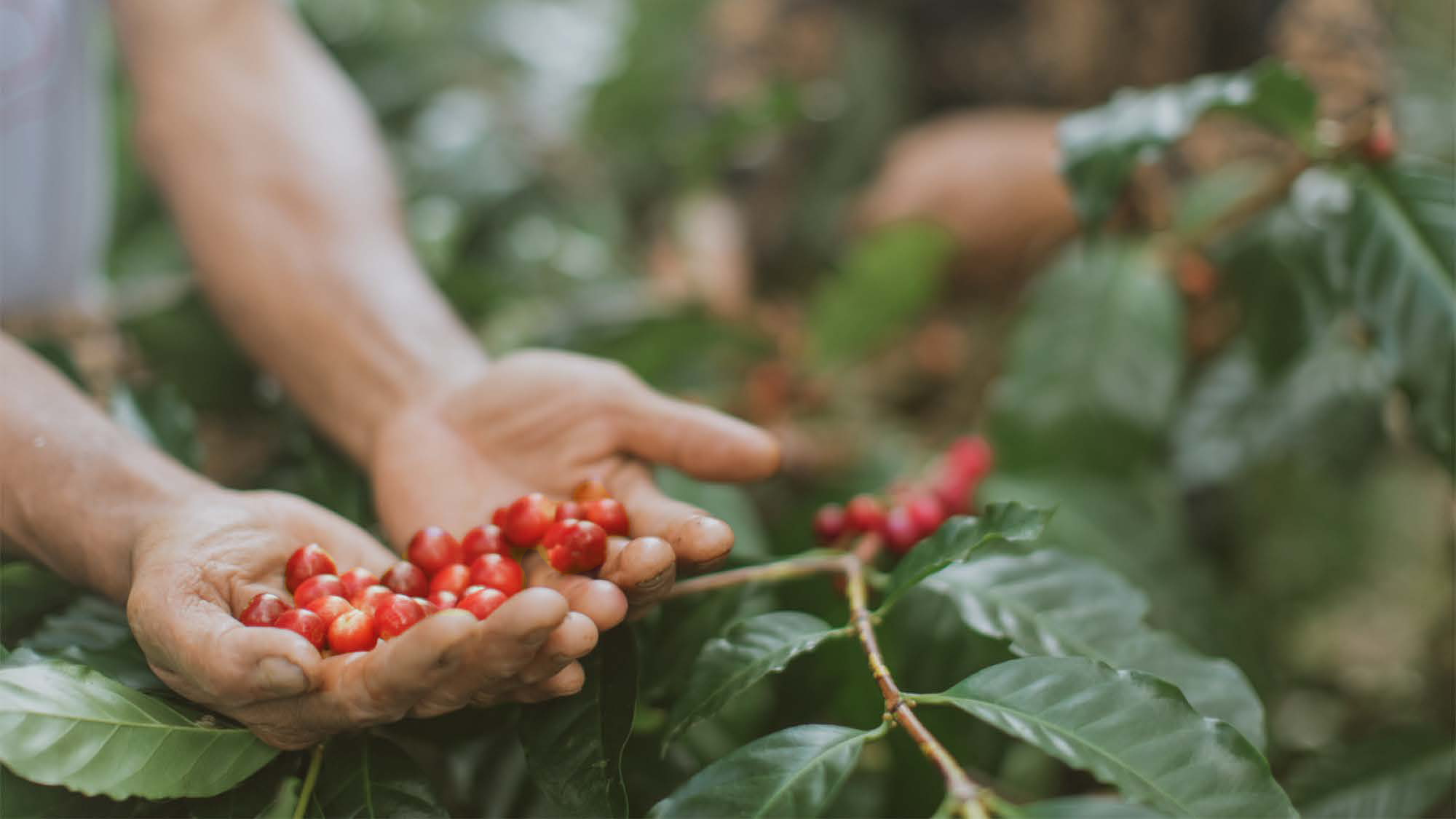
At Tanamera Coffee, every cup starts far beyond the café. It begins in Indonesia’s volcanic soil, passes through the hands of farmers, makers, quality control, roasters, and baristas, and arrives with a story of craft, care, and connection in every sip.



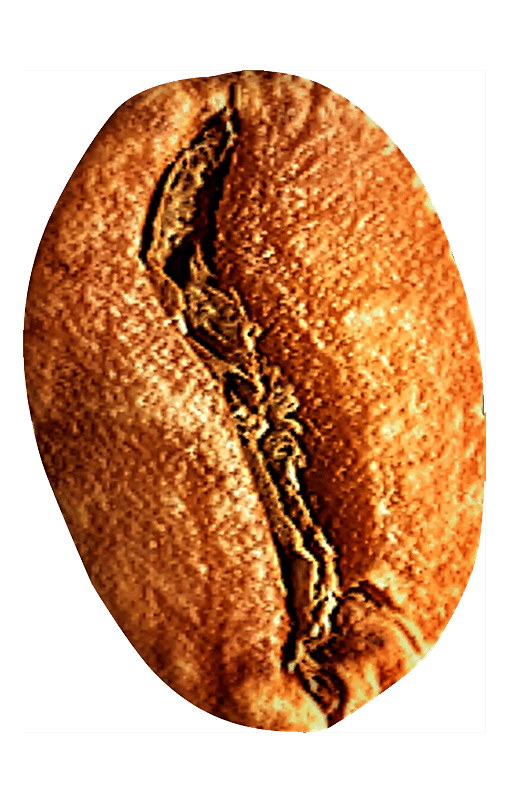
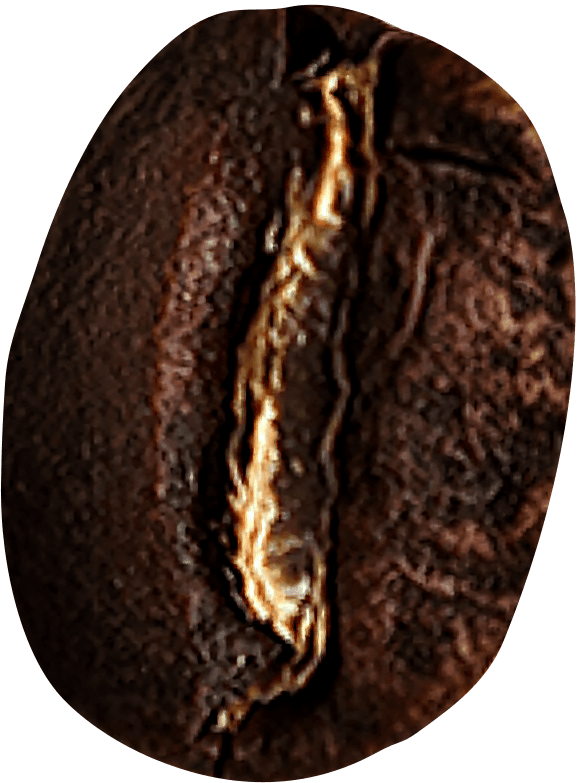
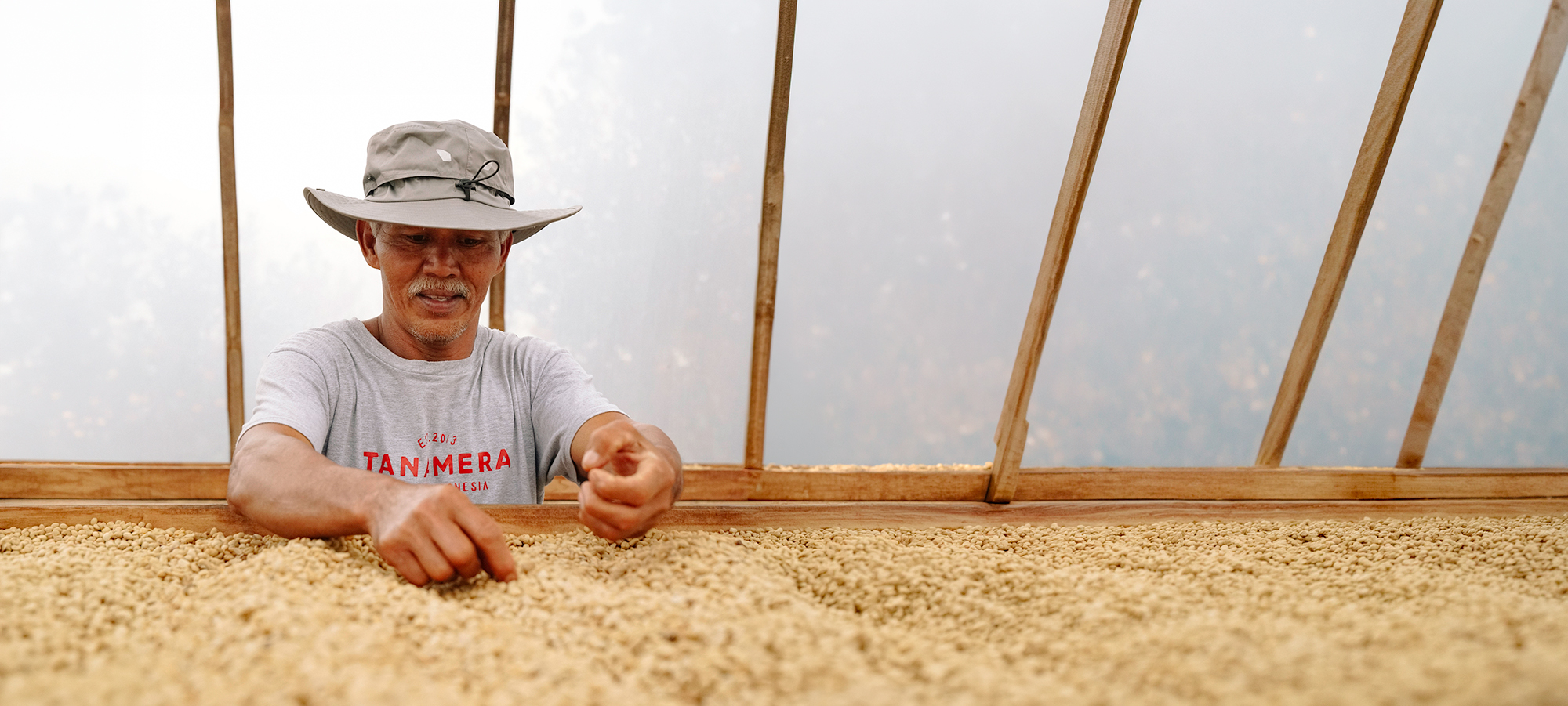
coffee is much more than where it grows. It is a living ecosystem, where nature, farming communities, and generations of knowledge work together to shape every harvest.


Exceptional coffee depends on more than just the crop itself. Biodiversity, soil conservation, agroforestry, and chemical-free farming all help protect the landscapes our coffee comes from and support their long-term health.






Body Scrub
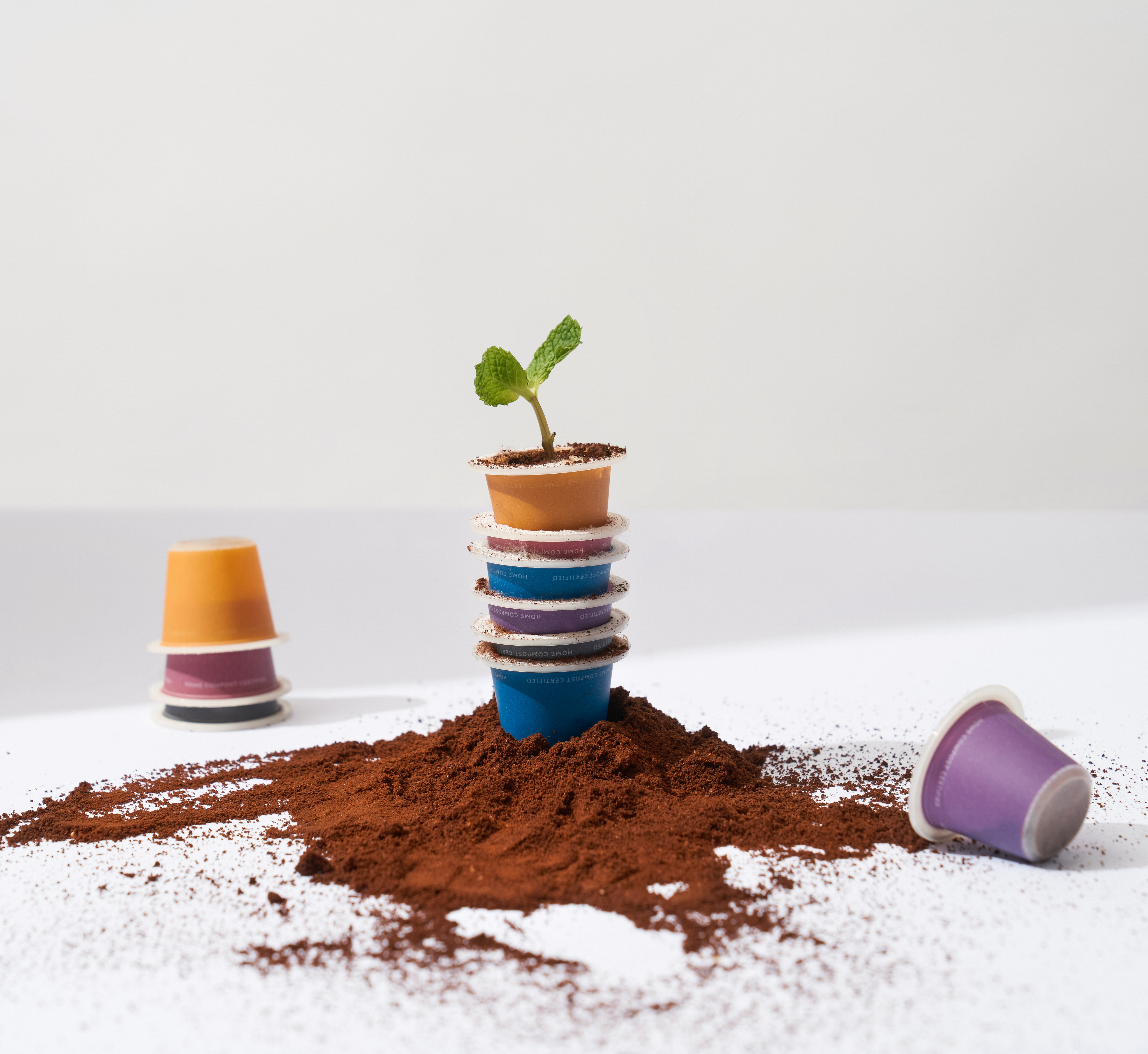
Coffee Capsule

Coffee Mug
For us, sustainability is not only about how coffee is grown and served, but also about what it can become next. Through innovation, material exploration, and thoughtful design, we look for ways to extend its value beyond the cup
In 2023, we launched the Tanamera Coffee Body Scrub in partnership with Sensatia, an internationally recognised skincare brand from Bali, Indonesia. Through this collaboration, used coffee grounds from our espresso machines were given new purpose in a product that brings together sustainability, craftsmanship, and care.
Our home compostable coffee capsules reflect our commitment to better materials and more responsible design. Made with Capsul’in Zero Impact capsules, they use a world-first coffee capsule platform certified OK compost HOME by TÜV Austria, while also being 100% biobased and high oxygen-barrier. Certified for home compostability under conditions that assess breakdown within 26 weeks, they offer a more thoughtful and lower-impact way to enjoy coffee.
Our ceramic mug made with repurposed coffee grounds gives new life to what remains from the coffee journey. Blending function, design, and material innovation, it transforms coffee into an everyday object with character, texture, and purpose.

Healthy soil is the foundation of quality coffee. We focus on building fertility by returning organic matter to the land, protecting soil from erosion, and supporting the microorganisms that keep the ecosystem in balance.
Building Fertility
We return coffee processing by-products to the soil rather than treating them as waste. On-site, we create our own compost using the outer layer of the coffee cherry, mixed with rice husk and manure sourced from local farmers. We add beneficial microorganisms and allow the mixture to ferment naturally. Because these materials come from the surrounding area, the microorganisms are already adapted to the local soil and climate, helping them work more effectively.
During processing, the thin inner layer of the bean, known as silverskin, is separated and spread as mulch around plants to retain moisture and help suppress weeds. This approach keeps nutrients cycling through the farm while reducing the need for external inputs.
Protecting the Topsoil
Kintamani’s steep slopes and heavy rainfall make erosion a constant risk. To protect the topsoil, we use terraces known as gulud, built along the natural contours of the land. These structures help slow water runoff, improve absorption, and prevent soil from being washed away. The root systems from our agroforestry plantings also play an important role, helping to hold the soil in place.
We manage weeds by hand or with mulch rather than herbicides. It takes more effort, but it helps protect the soil microorganisms that are essential to long-term soil health.
Why It Matters
Soil health is not only about preventing damage, but about building fertility that lasts. When soil biology is active and balanced, organic matter breaks down as it should, nutrients move more effectively through the system, and plants grow stronger.
This matters over the long term. Soil with higher organic matter and active microbial life is better able to handle climate stress, retain water during dry periods, and recover after heavy rainfall. We are not only thinking about the next harvest, but about building healthy soil that can support quality coffee for years to come.

Our processing area use an agroforestry system where coffee grows alongside fruit and shade trees across different canopy layers, mirroring the structure of a natural forest. This approach helps us produce high-quality coffee while improving soil health, supporting biodiversity, and naturally keeping pests in balance.
Respecting Tradition
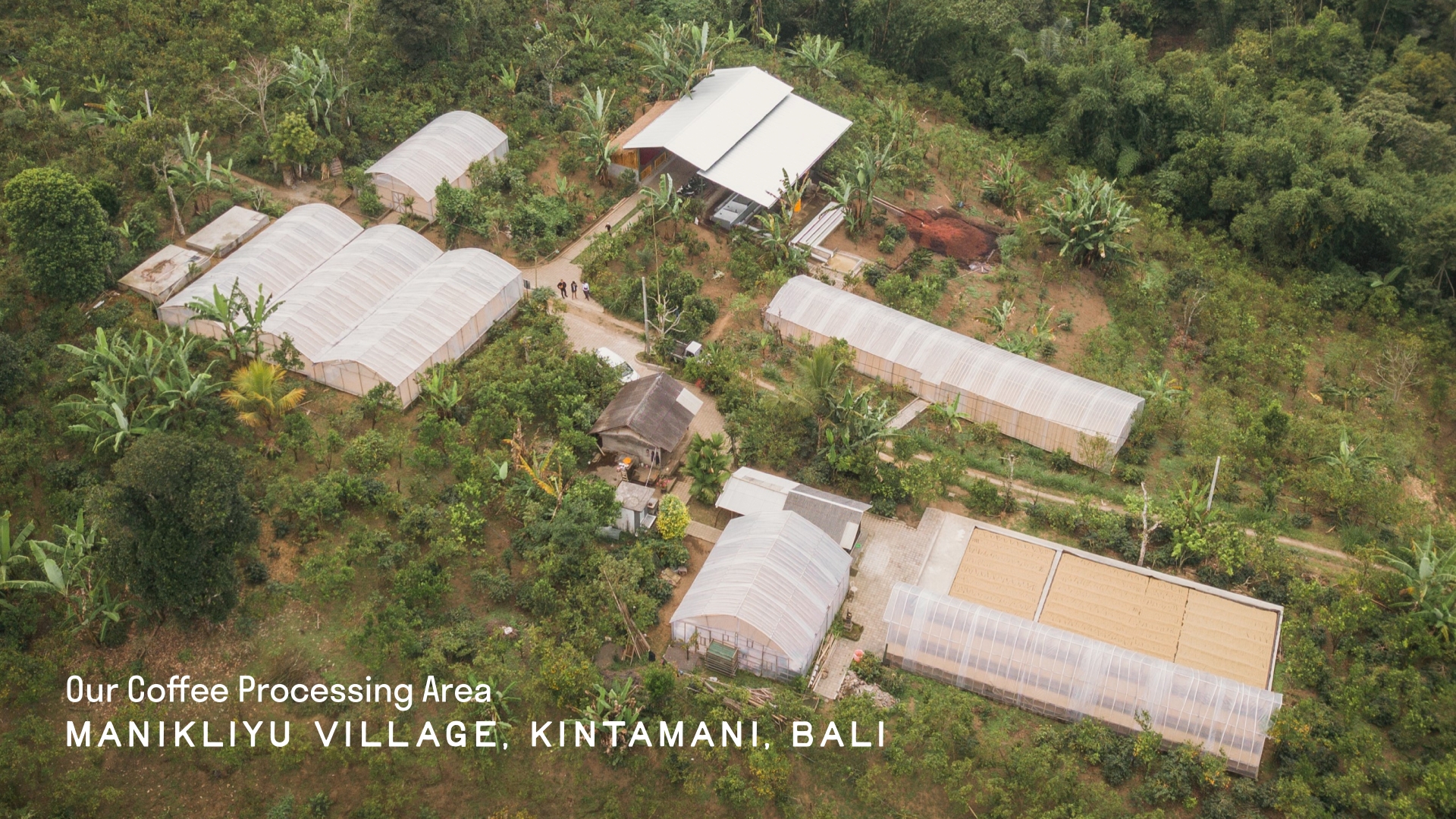
Our processing area in Manikliyu Village, Kintamani, sit between 900 and 1,500 metres above sea level. With temperatures ranging from 15–25°C, high rainfall, and a distinct dry season, the area offers ideal conditions for arabica coffee. Farmers here have grown citrus and coffee together for generations, long recognising how well the two crops work side by side. Citrus provides shade, the root systems complement one another, and together they create a layered growing environment similar to a forest. Many farmers believe this long-standing intercropping tradition contributes to Kintamani coffee’s distinctive bright acidity and citrus notes.
What Grows Together
Our agroforestry system brings together different tree species, each with a clear purpose. In Batukaru, gamal (Gliricidia sepium) provides permanent shade while also helping fix nitrogen in the soil. When these trees are pruned, their leaves and branches are returned to the land as organic matter.
In Kintamani, citrus and banana act as productive shade trees, generating additional income while supporting the coffee plants. Banana plants help retain moisture in the soil, and their fallen leaves break down to return nutrients to the ground. Wild jungle fowl also nest beneath these canopies, foraging for pests and contributing natural fertilisation to the soil.
Together, these species help strengthen the coffee, enrich the soil, and support farmer livelihoods.
Natural Benefits
A more diverse planting system creates greater resilience. Different species draw on different resources, reducing direct competition and creating a healthier balance within the farm. Root systems at varying depths improve soil structure, organic matter is returned to the ground, and the overall ecosystem helps keep pest and disease pressure low.
Economic and Environmental Value
Agroforestry allows existing agricultural land to be used more effectively, without the need to expand into new areas. Trees help store carbon, retain water, and reduce erosion, while farmers benefit from income generated through both coffee and fruit. The result is a system that supports biodiversity, strengthens farming communities, and helps produce high-quality specialty coffee for the long term.
This is how we farm for the future, working with approximately 100 smallholder farmers in Kintamani on leased agricultural land. We also partner with Bumiterra to monitor biodiversity and track environmental outcomes, helping ensure that our practices deliver meaningful and measurable results

Our approach to pest management begins long before pests appear. We focus on building resilience from the ground up, because healthy soil supports stronger plants. A diverse mix of coffee trees, fruit trees, and shade species helps create natural balance across the farm, attracting beneficial insects that support both pest control and pollination. We also select coffee varieties suited to the conditions of Kintamani and Batukaru, helping plants better withstand local pest and disease pressure.
Active Monitoring and Natural Solutions
We follow Good Agricultural Practices (GAP) and monitor plants daily for signs of pests and disease. If harmful pests such as coffee berry borer (CBB) are identified, affected berries are removed and destroyed immediately to prevent further spread. We also use pheromone traps to monitor pest populations and detect issues early.
Our preference is always to work with natural solutions wherever possible. These include organic treatments, beneficial insects, and compost-based soil management that helps keep plants healthy without disrupting the surrounding ecosystem.
Training and Knowledge Sharing
Training is an essential part of our pest management approach. We work closely with farmers, local agricultural authorities, and the Department of Agriculture to share knowledge on pest identification, monitoring techniques, and natural control methods. This helps ensure problems are recognised early and managed effectively.
By combining prevention, close monitoring, natural solutions, and healthy farm ecosystems, we protect coffee plants, support biodiversity, and continue producing high-quality coffee in a more sustainable way.

Since our founding in 2013, we have maintained a strict zero-deforestation approach. Our coffee farms operate outside government-protected conservation zones and High Conservation Value (HCV) areas, on already established agricultural land. From the start, we have been committed to increasing biodiversity by working with farmers to plant a wider variety of trees and crops, while protecting the wildlife that shares these landscapes.
Great coffee depends on healthy land. That means protecting the ecosystems that make it possible, the soil, water, plants, and animals that work together as one living system. This is why we reject practices such as forest clearing, which run against our values and contribute to biodiversity loss, soil degradation, and carbon emissions.
Chemical-Free Farming
Protecting biodiversity begins with how we farm. No synthetic pesticides, herbicides, or fertilisers are used in the production of our coffee. Instead, we work in rhythm with nature, returning organic matter to the soil and keeping waste to a minimum. This helps protect both the ecosystem within the farms and the people who work the land.
Wildlife Protection
Our farms follow a strict no-hunting policy, helping create a safe and stable environment for wildlife. As a result, diverse birdlife, healthy insect activity, and native mammals continue to move freely through the landscape. Across our farms, we have documented 30 wildlife species, including the critically endangered Sunda Pangolin (Manis javanica). Wild native honey bees are also found throughout our farms, playing an essential role as pollinators within our agroforestry system and supporting the wider ecosystem. Their presence helps improve both the quality and quantity of harvests across our coffee and other flowering crops.
Monitoring and Restoration
We partner with Bumiterra, an environmental organisation, to monitor ecosystem health and implement restoration programmes where needed. Through this partnership, we have achieved:
Why This Matters
Biodiversity is not separate from coffee quality, it is fundamental to it. Healthy ecosystems provide natural pest control, improve soil fertility, and create resilience against climate stress. The same volcanic soils that give Balinese coffee its distinctive character rely on healthy surrounding ecosystems to maintain their richness over time.
We work with approximately 100 smallholder farms in Manikliyu Village, Kintamani. Farmers such as Wayan Nengah, who has worked with us since the beginning, show what is possible when quality and environmental care go hand in hand. Through hands-on training, selective harvesting, processing techniques, and a deeper understanding of the land, we help farmers see that protecting biodiversity is not only good for the environment, it also improves yield, quality, and long-term farm resilience.
Our Kintamani coffee consistently scores 83–85 points, meeting international specialty coffee standards. For us, this reinforces something simple: environmental stewardship and coffee quality cannot be separated. The farmers we work with understand that cutting corners on biodiversity also means cutting corners on quality.
Our goal is not only to avoid harm, but to leave the land better than we found it. Every hectare restored, every tree planted, and every species documented is more than a sustainability metric. It is an investment in the future of Indonesian specialty coffee.

In 2023, we launched the Tanamera Coffee Body Scrub in partnership with Sensatia, an internationally recognised skincare brand from the east coast of Bali, Indonesia. Through this collaboration, used coffee grounds from our espresso machines were given new purpose in a skincare product that brings together craftsmanship, care, and sustainability.
As two Indonesian brands with shared values, Tanamera and Sensatia came together through a common commitment to community, quality, and more thoughtful environmental practices. Since its founding in 2000, Sensatia has built its reputation on skincare made with pure, natural ingredients, making it a natural partner for this collaboration.
Pure arabica coffee is brewed every day across our roastery and coffee shops in Bali. Rather than letting those nutrient-rich grounds go unused, they are collected and sent to Sensatia’s facility in Jasri, East Bali, where they are carefully processed and tested for hygiene before being blended with papaya extract, jicama extract, and shea butter. The result is a rich, skin-reviving body scrub infused with the natural character of Indonesian coffee.
Together, these ingredients offer a range of skincare benefits. The coffee grounds act as a natural exfoliant, gently removing dead skin cells to reveal smoother skin beneath. The caffeine-rich formulation helps support circulation, while shea butter, papaya extract, and jicama extract contribute hydrating, soothing, and nourishing qualities.
This collaboration reflects our belief that sustainability can be both practical and imaginative. While used coffee grounds can also be returned to the land through composting or fertiliser, this partnership shows how thoughtful innovation can create something entirely new, transforming what remains from the coffee journey into a product with lasting value.
The Tanamera Coffee Body Scrub is available through our online shop and selected stores across Indonesia.

At Tanamera Coffee, we are always looking for more creative and responsible ways to give used coffee grounds a new purpose. While this natural by-product can be returned to the agricultural cycle, we wanted to explore a different path, one that could extend its value and bring it back into the Tanamera story in a more tangible way.
This led us to create a one-of-a-kind mug that carries a trace of coffee within the material itself. Our used coffee grounds are blended into the clay, then shaped into bespoke mugs that reflect both craftsmanship and material innovation.
More than a functional object, the mug represents our effort to explore better uses for what remains, creating something lasting, useful, and beautifully considered, while helping divert by-products from landfill or improper disposal.
Its soft off-white tone and matte finish are accented by visible coffee-ground specks within the clay, giving each piece a natural texture and a rustic stoneware character. For coffee lovers, it is a simple but satisfying idea: enjoying coffee from a mug made with coffee itself.
Available at selected outlets and through our online platforms as part of Tanamera Coffee at Home.