
Loading...
Loading...

Taste
The Origins
Taste
The Origins
it@tanameracoffee.com
14 Nov 2025
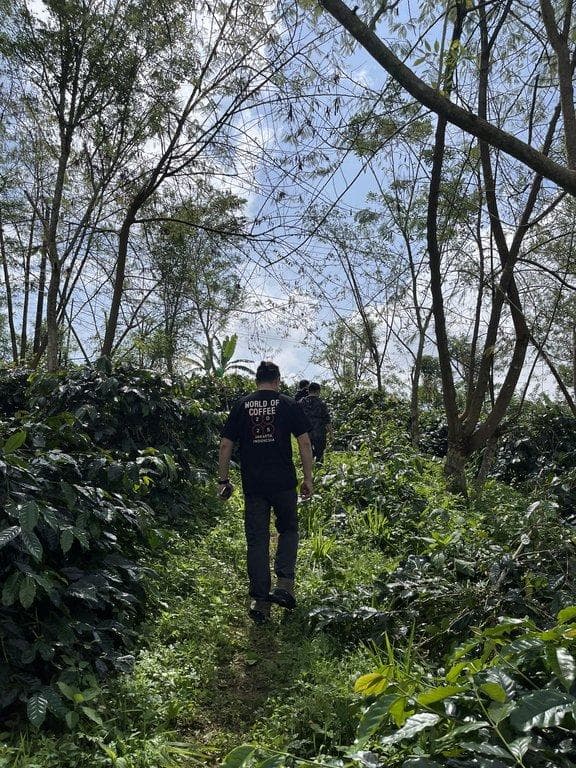
Our farms use an agroforestry system where coffee grows alongside fruit and shade trees across different canopy layers, mirroring the structure of a natural forest. This approach helps us produce high-quality coffee while improving soil health, supporting biodiversity, and naturally keeping pests in balance.
Respecting Tradition
Our farms in Manikliyu Village, Kintamani, sit between 900 and 1,500 metres above sea level. With temperatures ranging from 15–25°C, high rainfall, and a distinct dry season, the area offers ideal conditions for arabica coffee. Farmers here have grown citrus and coffee together for generations, long recognising how well the two crops work side by side. Citrus provides shade, the root systems complement one another, and together they create a layered growing environment similar to a forest. Many farmers believe this long-standing intercropping tradition contributes to Kintamani coffee’s distinctive bright acidity and citrus notes.
What Grows Together
Our agroforestry system brings together different tree species, each with a clear purpose. In Batukaru, gamal (Gliricidia sepium) provides permanent shade while also helping fix nitrogen in the soil. When these trees are pruned, their leaves and branches are returned to the land as organic matter.
In Kintamani, citrus and banana act as productive shade trees, generating additional income while supporting the coffee plants. Banana plants help retain moisture in the soil, and their fallen leaves break down to return nutrients to the ground. Wild jungle fowl also nest beneath these canopies, foraging for pests and contributing natural fertilisation to the soil.
Together, these species help strengthen the coffee, enrich the soil, and support farmer livelihoods.
Natural Benefits
A more diverse planting system creates greater resilience. Different species draw on different resources, reducing direct competition and creating a healthier balance within the farm. Root systems at varying depths improve soil structure, organic matter is returned to the ground, and the overall ecosystem helps keep pest and disease pressure low.
Economic and Environmental Value
Agroforestry allows existing agricultural land to be used more effectively, without the need to expand into new areas. Trees help store carbon, retain water, and reduce erosion, while farmers benefit from income generated through both coffee and fruit. The result is a system that supports biodiversity, strengthens farming communities, and helps produce high-quality specialty coffee for the long term.
This is how we farm for the future, working with approximately 100 smallholder farmers in Kintamani on leased agricultural land. We also partner with Bumiterra to monitor biodiversity and track environmental outcomes, helping ensure that our practices deliver meaningful and measurable results