
Loading...
Loading...

Taste
The Origins
Taste
The Origins
it@tanameracoffee.com
14 Nov 2025
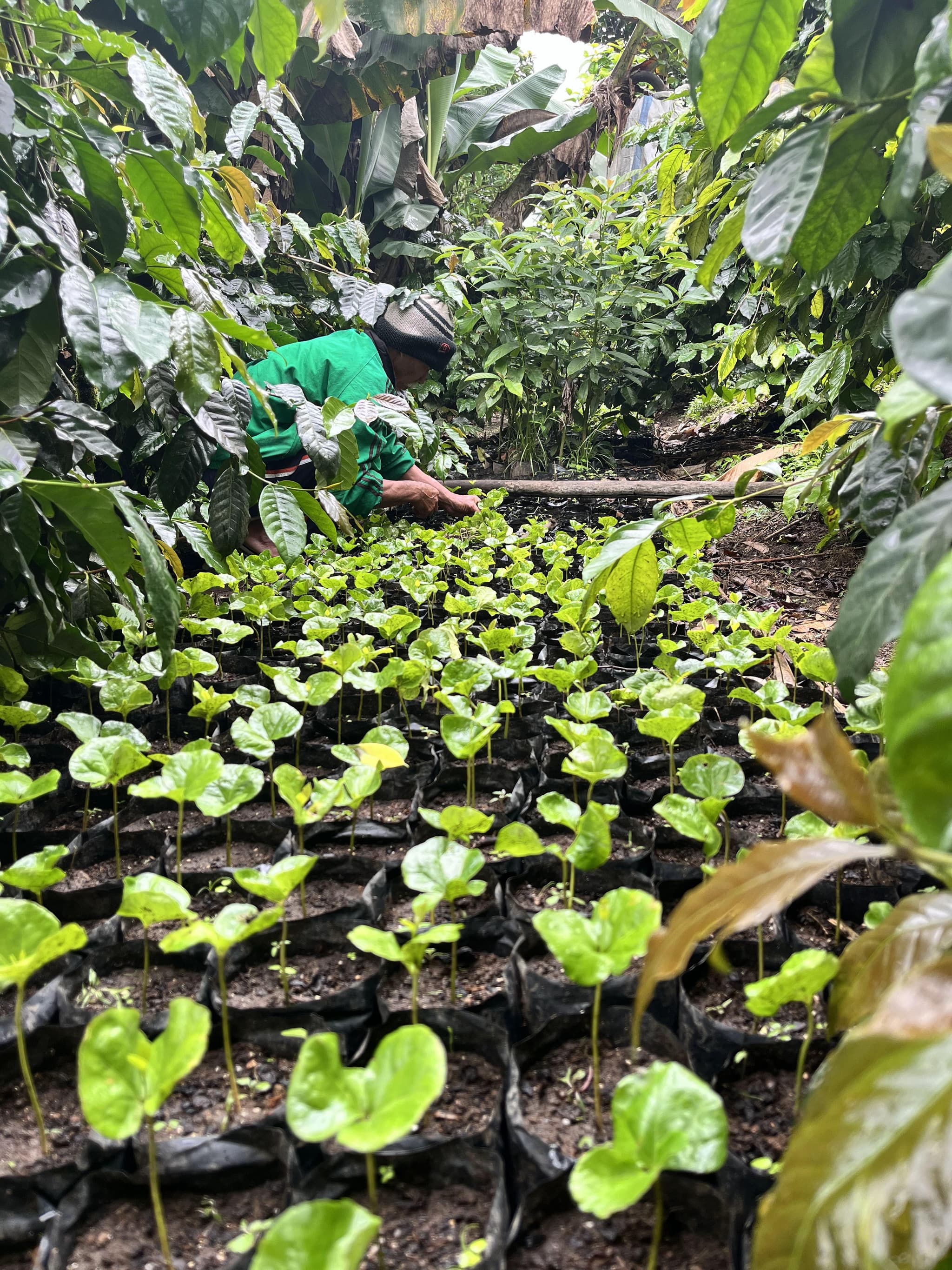
Healthy soil is the foundation of quality coffee. We focus on building fertility by returning organic matter to the land, protecting soil from erosion, and supporting the microorganisms that keep the ecosystem in balance.
Building Fertility
We return coffee processing by-products to the soil rather than treating them as waste. On-site, we create our own compost using the outer layer of the coffee cherry, mixed with rice husk and manure sourced from local farmers. We add beneficial microorganisms and allow the mixture to ferment naturally. Because these materials come from the surrounding area, the microorganisms are already adapted to the local soil and climate, helping them work more effectively.
During processing, the thin inner layer of the bean, known as silverskin, is separated and spread as mulch around plants to retain moisture and help suppress weeds. This approach keeps nutrients cycling through the farm while reducing the need for external inputs.
Protecting the Topsoil
Kintamani’s steep slopes and heavy rainfall make erosion a constant risk. To protect the topsoil, we use terraces known as gulud, built along the natural contours of the land. These structures help slow water runoff, improve absorption, and prevent soil from being washed away. The root systems from our agroforestry plantings also play an important role, helping to hold the soil in place.
We manage weeds by hand or with mulch rather than herbicides. It takes more effort, but it helps protect the soil microorganisms that are essential to long-term soil health.
Why It Matters
Soil health is not only about preventing damage, but about building fertility that lasts. When soil biology is active and balanced, organic matter breaks down as it should, nutrients move more effectively through the system, and plants grow stronger.
This matters over the long term. Soil with higher organic matter and active microbial life is better able to handle climate stress, retain water during dry periods, and recover after heavy rainfall. We are not only thinking about the next harvest, but about building healthy soil that can support quality coffee for years to come.